Diese Seite gibt es auch auf Deutsch. Auf Deutsch lesen →
Learn Chinese the honest way — and pass HSK 3.0.
Gushi turns every character into a story you will not forget, then schedules your reviews with FSRS spaced repetition. The whole nine-level syllabus, with the cards already built.
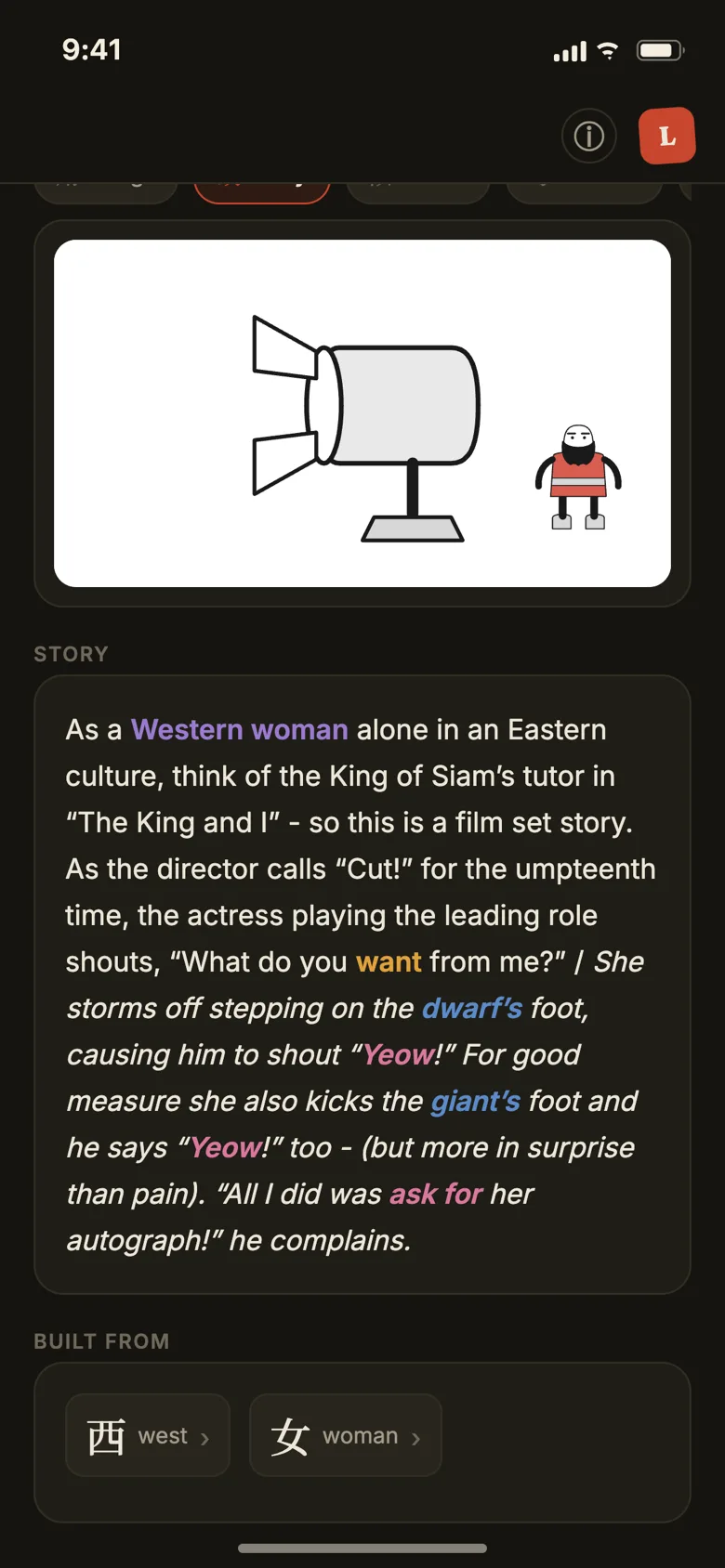
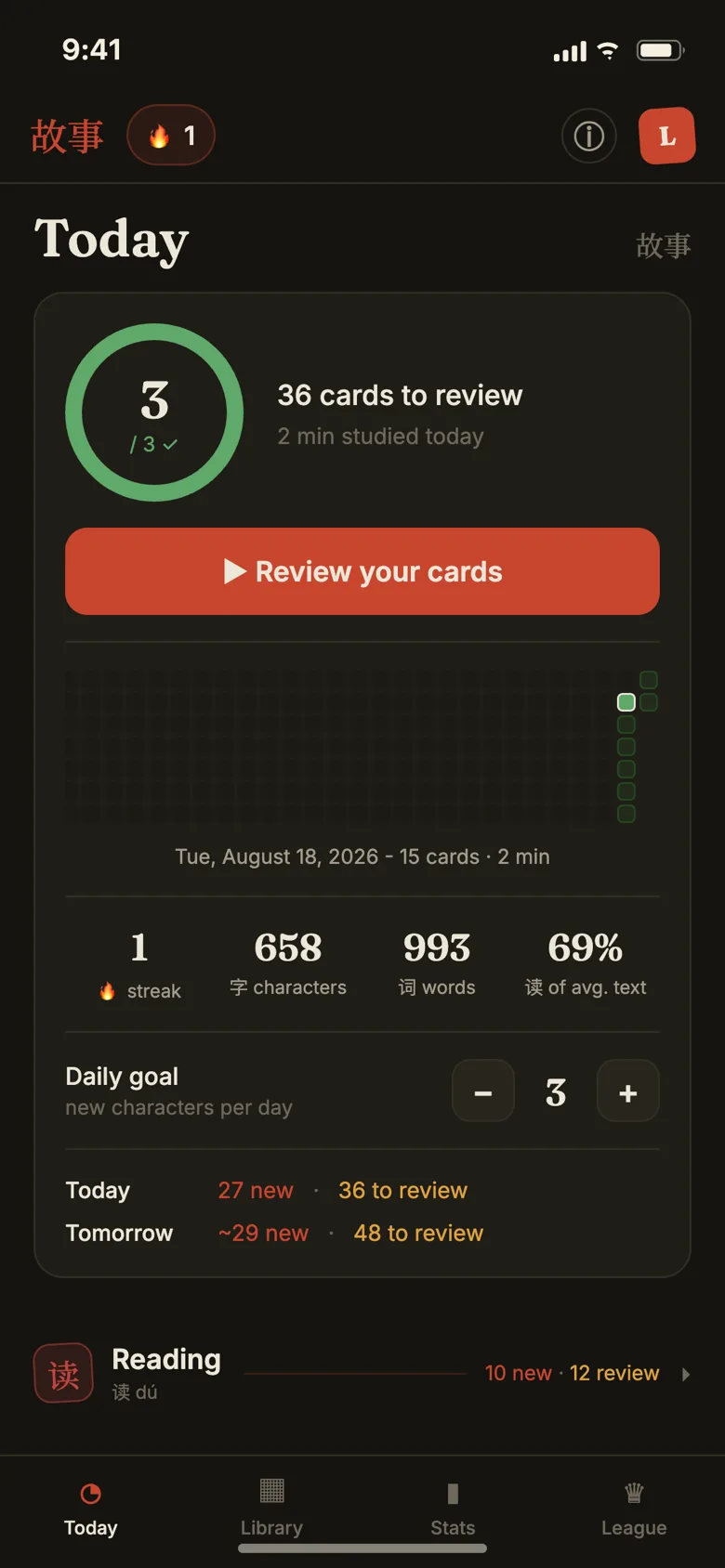
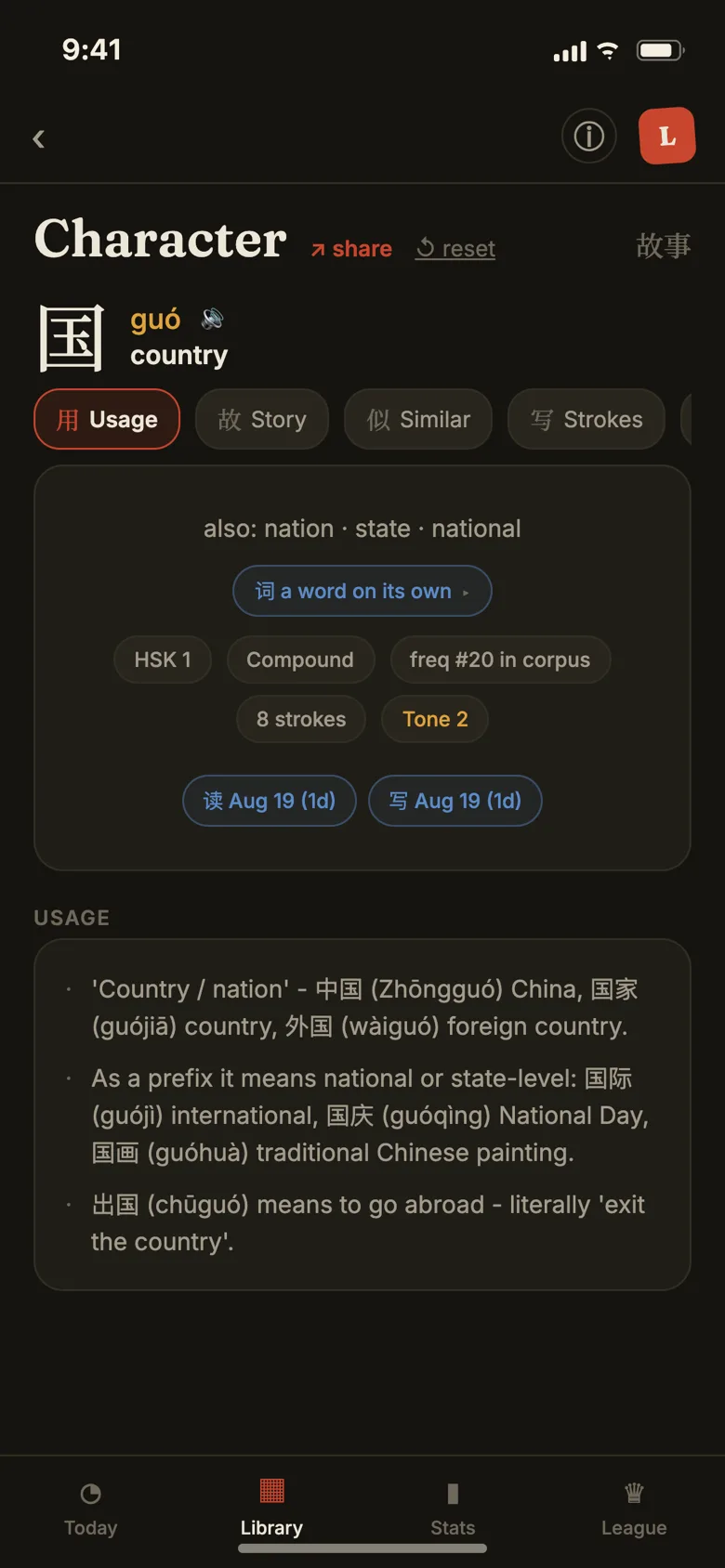
Too gamified, or too much homework.
One kind of app paces you for a daily streak and leaves you unable to read a menu. The other has the best scheduling algorithm in the world and an empty deck — so you quit at deck-building, not at Chinese.
Gushi is the honest middle: the fastest method there is, with the cards already built.
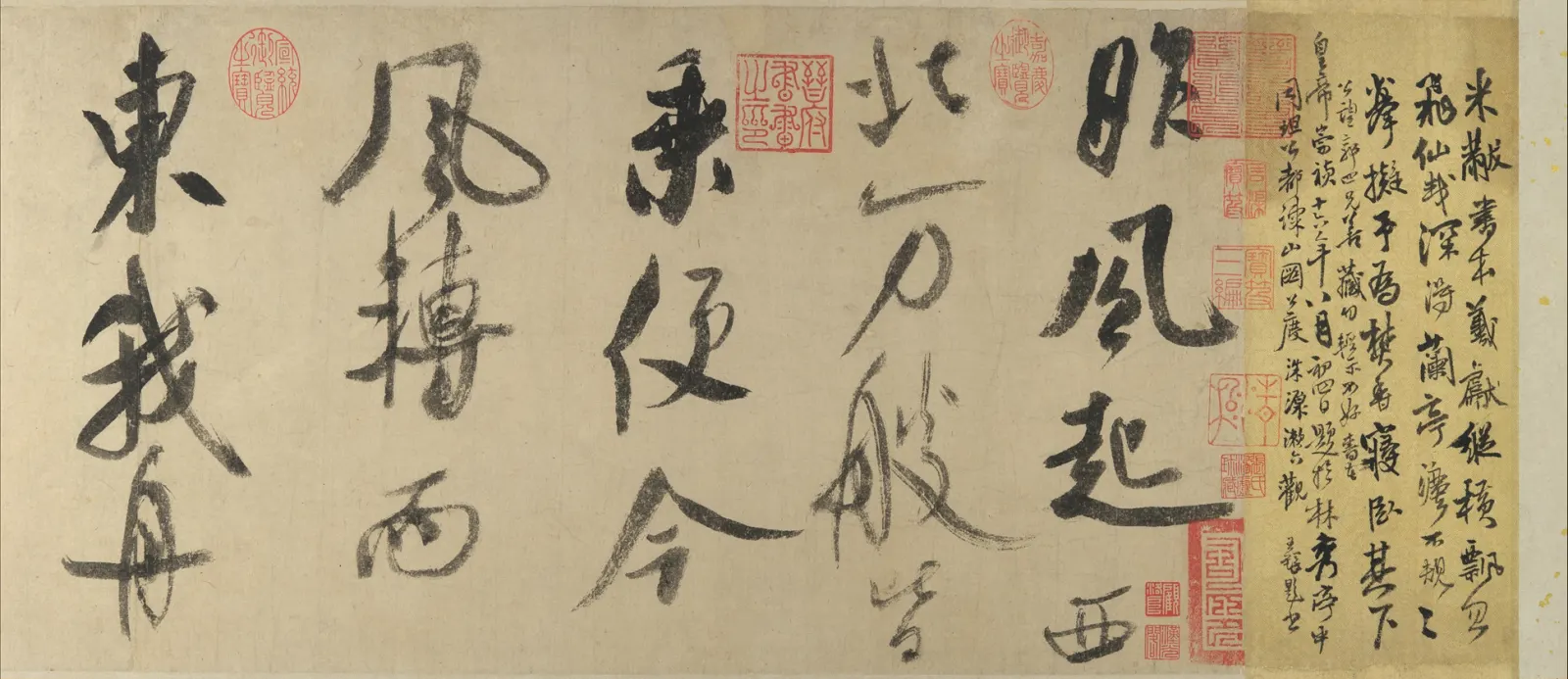
Poem Written in a Boat on the Wu River. Metropolitan Museum of Art, public domain.
Between the lesson tree and the empty box.
| Duolingogamified | Ankido-it-yourself | Gushi the whole exam, one system | |
|---|---|---|---|
| How you learn | A lesson tree of taps, repeating on the tree's schedule | Cards you write yourself, scheduled well | Finished story cards, scheduled by FSRS — the fastest system there is |
| Setup before card one | None | Hours — find a deck, fix it, add audio, write mnemonics, keep it alive | None. Every card is already written |
| What is in it | Fixed lessons | Whatever you — or a stranger — built | 3,088 characters · 10,896 words · 429 grammar points, with stories, pictures, audio and examples |
| Tones, speaking, the exam | No tone drill, no speaking, no HSK format | Only if you build it yourself, and almost nobody does | Tone drill, shadowing, HSKK practice and full mock papers in the official format |
Six ways in, one memory.
HSK 3.0 examines five skills, and it splits the characters you read from the smaller set you write. An app that only shows you flashcards is preparing you for a different exam.
Recognition
Every character arrives finished: story, picture, components, tones, audio, examples and the neighbours it is confused with. You never build a flashcard, and FSRS returns it exactly when you are about to forget it.
Listening
A format of its own, not a subtitle on a reading card. The exam gyms run the parts of the real paper in order — pictures, matching, statements, dialogues — with the mix per level following the actual test.
Writing
The prompt is the meaning and the sound, never the glyph, because the glyph is the answer. New characters are traced once to activate them; after that you write them from nothing.
Tones
Ear first: while there is sound, the character stays hidden until you answer, so the drill tests your hearing rather than your reading. Four tones that change the meaning are not a detail you pick up later.
Speaking
Shadowing — hear a native line, hear it again slowed down, say it back. And HSKK practice for the oral exam, which is mandatory from HSK 3: the three task types, with your answer transcribed and judged.
The exam
Full papers in the official HSK 3.0 format. Timed sections that run in order, no feedback until you hand in, listening played the way the hall plays it, and a report scored like the real thing.
Real entries from the HSK 3.0 syllabus, in the tone colours Gushi uses everywhere.
The parts that make the hours add up.
Chunk drill
A sentence with a hole and the right chunk to drop into it. The carrier sentence sits at your level while the chunk runs far above it — the only way a beginner meets a word like 供应链 inside a sentence they can actually read.
Reading you can hear
Articles play sentence by sentence, and any sentence replays on tap. Reading aloud with nothing to check against is guessing at the tones.
Lessons, not just levels
HSK 3 alone is 284 characters and 491 words. Lessons are the rung between starting a level and finishing it, so there is always a next thing that ends.
Free for 14 days. Then 9,99 € a month.
One subscription through the App Store — every level, every skill. No per-deck purchases and no ads.
- Every level and every skill
- Reading, listening, writing
- HSK 3.0 mock exams, every level
- Everything in monthly
- One payment a year, then forget it
- Cancel before renewal, any time
Billed by Apple through the App Store; EU prices include VAT. Manage or cancel in your Apple Account settings.
Frequently asked.
Do I need to know any Chinese to start?
How is this different from Anki?
Does it work offline?
What about HSK 3.0?
Be honest about where you start. Show up. The stories carry the rest.
14 days free, then a few minutes a day — from your first character to the advanced band.